Your gut and your brain are in constant conversation — and what you eat is a huge part of what they’re saying to each other. The Gut-Brain Axis Diet is an eating approach built around this connection, using food to support digestion, mood, focus, and long-term mental wellbeing. Here’s exactly what it is, how it works, and how to start eating this way.
What Is the Gut-Brain Axis?
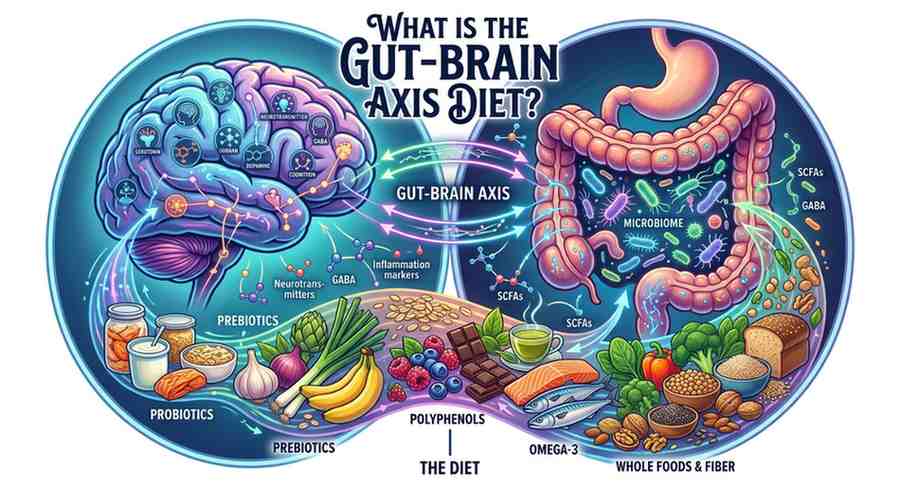
The gut-brain axis is the two-way communication network linking your digestive system and your central nervous system. It runs through the vagus nerve, the immune system, hormones, and chemical messengers produced by gut bacteria. In simple terms, your gut doesn’t just digest food — it helps regulate mood, stress response, and even cognitive clarity, largely by shaping the trillions of microbes that live inside it.
This is why gut health has become such a hot topic in nutrition science. Feed the gut well, and the signals it sends upward tend to support a calmer, sharper brain. Feed it poorly, and inflammation, irregular digestion, and mood disruption often follow.
What Is the Gut-Brain Axis Diet?
The Gut-Brain Axis Diet isn’t a single rigid meal plan — it’s a framework. It prioritizes foods that nourish beneficial gut bacteria (probiotics and prebiotics), reduce inflammation, and supply nutrients the brain depends on, while limiting foods known to disrupt the microbiome. Think of it as eating for two organs at once.
A healthier gut microbiome is linked to better regulation of mood-related neurotransmitters like serotonin and GABA, which is the central idea this diet is built around.
Core Pillars of the Diet
- Fiber-rich prebiotics — feed good bacteria (onions, garlic, oats, bananas, legumes)
- Fermented probiotics — introduce live beneficial bacteria (yogurt, kefir, kimchi, sauerkraut)
- Omega-3 fatty acids — support brain cell structure and reduce inflammation
- Polyphenol-rich foods — plant compounds that feed microbial diversity (berries, green tea, dark chocolate)
- Reduced ultra-processed food and added sugar — both linked to microbiome imbalance
Best Foods for the Gut-Brain Axis Diet
Fermented Foods
Curd, kefir, kimchi, and sauerkraut introduce live cultures that diversify the gut microbiome.
Fiber-Rich Vegetables
Onion, garlic, leeks, and asparagus act as prebiotics, feeding beneficial bacteria directly.
Fatty Fish
Salmon, sardines, and mackerel supply omega-3s that support neural signalling and lower inflammation.
Whole Grains
Oats, brown rice, and millets provide slow-digesting fiber that keeps gut bacteria well fed.
Berries & Colorful Produce
Rich in polyphenols, which support microbial diversity and reduce oxidative stress.
Nuts & Seeds
Walnuts, flaxseeds, and chia seeds combine healthy fats with gut-friendly fiber.
Foods to Limit
| Food Category | Why It’s Limited |
|---|---|
| Ultra-processed snacks | Low fiber, high additives; linked to reduced microbial diversity |
| Added sugars & sweetened drinks | Feed harmful bacteria and yeast strains, promoting imbalance |
| Deep-fried and reheated oils | Increase inflammation, which disrupts gut lining integrity |
| Excess artificial sweeteners | Some studies associate them with altered glucose response via gut bacteria |
| Frequent alcohol intake | Can damage the gut lining and reduce beneficial bacteria populations |
Sample One-Day Gut-Brain Axis Meal Plan
Introduce fermented foods gradually — starting with a small daily portion helps the gut adjust and reduces bloating during the first week or two.
Potential Benefits
- Improved digestion and reduced bloating over time
- Better mood stability, since gut bacteria influence neurotransmitter production
- Reduced brain fog linked to lower systemic inflammation
- Support for stress resilience through balanced cortisol regulation
- Sustainable, long-term weight and metabolic support as a side effect of whole-food eating
Frequently Asked Questions
Is the Gut-Brain Axis Diet the same as a probiotic diet?
Not exactly. Probiotic foods are one part of it, but the diet also emphasizes prebiotic fiber, omega-3s, and anti-inflammatory eating — all working together rather than probiotics alone.
How long does it take to see results?
Digestive changes can appear within a couple of weeks, while mood and cognitive benefits generally take longer and vary by individual, often several weeks to a few months of consistent eating.
Can this diet help with anxiety or low mood?
Emerging research links gut health to mood regulation, and many people report feeling more stable on this way of eating. It should complement, not replace, professional mental health care.
Do I need supplements to follow this diet?
Not necessarily. Whole foods like yogurt, vegetables, and fatty fish can cover most needs. Supplements like probiotics or omega-3 capsules are optional additions, not requirements.
Is this diet suitable for everyone?
Most people can adapt it easily, but those with digestive conditions like IBS should introduce fermented and high-fiber foods slowly and ideally under medical guidance.
This article is for general informational purposes only and does not constitute medical advice. Consult a qualified healthcare provider before making significant changes to your diet, especially if you have an existing health condition.
This article is intended for informational and educational purposes only and should not be considered medical advice, diagnosis, or treatment. The information provided is not a substitute for professional healthcare guidance. Always consult a qualified healthcare provider before making changes to your diet, lifestyle, supplements, or treatment plan, especially if you have an existing medical condition or are taking medication.
Images used in this article are royalty-free, properly licensed, AI-generated, or sourced from platforms that permit their use. If you believe any content or image requires attribution or should be removed, please contact us, and we will address the matter promptly.
Medical Notice: The content on this website is not intended to diagnose, treat, cure, or prevent any disease and should not replace professional medical advice.