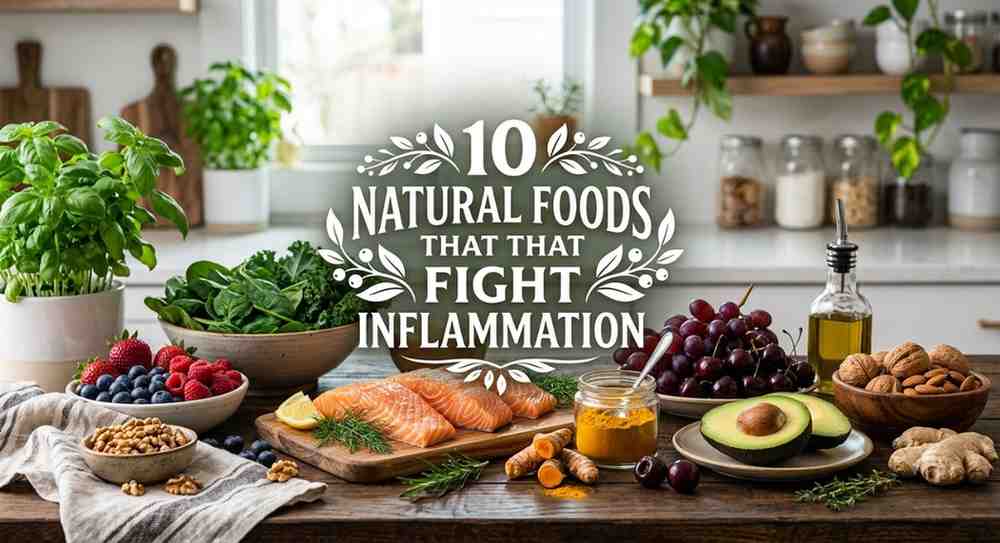
10 Natural Foods That Fight Inflammation
Chronic inflammation has been linked to everything from heart disease to joint pain and fatigue. The good news: your kitchen can be one of the most powerful tools for calming it down. Here are 10 natural, everyday foods backed by research for their anti-inflammatory properties.
Why Inflammation Matters
Inflammation is your body’s natural defense mechanism, but when it becomes chronic, it can silently contribute to conditions like arthritis, diabetes, and cardiovascular disease. Diet plays a central role in either fueling or fighting this process. The foods below are rich in antioxidants, omega-3 fatty acids, and polyphenols that help the body regulate its inflammatory response.
The Top 10 Anti-Inflammatory Foods
Fatty Fish (Salmon, Mackerel, Sardines)
Rich in omega-3 fatty acids, fatty fish help reduce the production of molecules and substances linked to inflammation, such as cytokines. Two to three servings a week is a widely recommended target.
Turmeric
The active compound curcumin gives turmeric its golden color and its punch — it’s one of the most studied natural anti-inflammatory compounds. Pairing it with black pepper significantly boosts absorption.
Leafy Greens (Spinach, Kale)
Packed with vitamin K, antioxidants, and plant compounds, leafy greens help lower markers of inflammation like CRP (C-reactive protein) when eaten regularly.
Berries (Blueberries, Strawberries)
Berries are loaded with anthocyanins — pigments that trigger the release of natural anti-inflammatory compounds in the body. A daily handful can go a long way.
Extra Virgin Olive Oil
A cornerstone of the Mediterranean diet, olive oil contains oleocanthal, a compound with effects similar to ibuprofen in reducing inflammation markers.
Nuts (Almonds, Walnuts)
Nuts provide healthy fats, fiber, and antioxidants. Walnuts in particular stand out for their high alpha-linolenic acid (ALA) content, a plant-based omega-3.
Ginger
Long used in traditional remedies, ginger contains gingerol, which has been shown to help ease muscle soreness and reduce markers of inflammation.
Tomatoes
Tomatoes are an excellent source of lycopene, an antioxidant especially effective at reducing inflammatory compounds in lung and other tissues.
Green Tea
Green tea is rich in epigallocatechin-3-gallate (EGCG), a catechin that helps reduce the production of pro-inflammatory cytokines.
Dark Chocolate (70%+ Cocoa)
In moderation, dark chocolate delivers flavanols that support healthy blood vessels and help lower inflammation markers — a small, sweet win for an anti-inflammatory diet.
Quick Comparison: Key Nutrients & Benefits
| Food | Key Compound | Primary Benefit |
|---|---|---|
| Fatty Fish | Omega-3s | Reduces cytokine production |
| Turmeric | Curcumin | Blocks inflammatory pathways |
| Leafy Greens | Vitamin K | Lowers CRP levels |
| Berries | Anthocyanins | Triggers anti-inflammatory response |
| Olive Oil | Oleocanthal | Ibuprofen-like effect |
| Nuts | ALA | Plant-based omega-3 source |
| Ginger | Gingerol | Eases soreness |
| Tomatoes | Lycopene | Reduces tissue inflammation |
| Green Tea | EGCG | Lowers cytokine levels |
| Dark Chocolate | Flavanols | Supports vascular health |
💡 Pro Tip
Combine several of these foods in one meal for a compounding effect — think a salmon and spinach salad drizzled with olive oil, topped with walnuts, and finished with a cup of green tea.
Foods That Work Against You
While adding anti-inflammatory foods helps, it’s equally important to limit foods that promote inflammation — refined sugars, fried foods, processed meats, and excess alcohol. Balancing what you add with what you cut back on gives the best long-term results.
Key Takeaways
- Chronic inflammation is linked to major long-term health conditions.
- Whole foods rich in omega-3s, antioxidants, and polyphenols help regulate inflammation naturally.
- Consistency matters more than any single “superfood” — aim for regular intake across food groups.
- Pair anti-inflammatory foods with reduced intake of processed and sugary foods for best results.
Frequently Asked Questions
How quickly can anti-inflammatory foods show results?
Some people notice reduced joint stiffness or improved energy within a few weeks of consistent dietary changes, though internal markers like CRP may take longer to shift measurably.
Can I get enough omega-3s from plant sources alone?
Plant sources like walnuts and flaxseeds provide ALA, which the body partially converts to the more active forms found in fish. Combining both sources is often recommended for optimal intake.
Is turmeric supplementation as effective as using it in food?
Supplements can offer more concentrated curcumin doses, but food-based intake with black pepper and a fat source (like olive oil) supports better natural absorption.
How much dark chocolate is considered “moderate”?
Around 20-30 grams (roughly one to two small squares) of 70%+ dark chocolate a few times a week is generally considered a reasonable, moderate amount.
This article is intended for informational and educational purposes only and should not be considered medical advice, diagnosis, or treatment. The information provided is not a substitute for professional healthcare guidance. Always consult a qualified healthcare provider before making changes to your diet, lifestyle, supplements, or treatment plan, especially if you have an existing medical condition or are taking medication.
Images used in this article are royalty-free, properly licensed, AI-generated, or sourced from platforms that permit their use. If you believe any content or image requires attribution or should be removed, please contact us, and we will address the matter promptly.
Medical Notice: The content on this website is not intended to diagnose, treat, cure, or prevent any disease and should not replace professional medical advice.