

3 Things to Do First Thing in the Morning to Be Energetic All Day, According to Experts
If you hit a wall by mid-morning and spend the afternoon on caffeine and willpower, the problem may not be your sleep alone. It may be the first hour after you wake up.
Health experts, dietitians and sleep researchers keep landing on the same short list of habits for steady, all-day energy. None of them need an early alarm, a gym membership or a complicated routine. Here are the three that matter most, and how to start them tomorrow.
- Hydrate first. Drink a glass of water before coffee.
- Get daylight and move. Step outside for a short, easy walk.
- Eat a balanced breakfast. Pair protein with fiber and healthy fats.

Why Your First Hour Shapes the Rest of Your Day
Your body runs on an internal clock called the circadian rhythm. It controls when you feel alert, when you get hungry and when you get sleepy. The first signals you send after waking, such as light, fluids, movement and food, help set that clock for the day.
Get those signals right and your energy tends to stay level. Get them wrong, for example by reaching for a phone, a coffee and a pastry, and you are more likely to ride a spike and crash.
Drink Water Before Anything Else
You go six to eight hours without drinking while you sleep, and you lose water through breathing and sweat the whole time. Even mild dehydration can make you feel foggy, irritable and tired, which is easy to mistake for needing more coffee.
That is why many doctors and dietitians name water as the most important thing to consume first in the morning. A glass on waking helps replace what you lost and gets your body ready for the day.

How to make it stick
- Pre-fill a glass or bottle the night before and leave it by your bed.
- Add a squeeze of lemon or a pinch of salt if plain water feels boring.
- Have coffee after, not instead. You do not have to quit caffeine; just drink water first.
Tip: Link the habit to something you already do. Drink your water while the kettle boils or the coffee brews, and it becomes automatic within a couple of weeks.
Get Daylight and Move Your Body Gently
This is the habit experts call one of the most powerful for morning energy, and it is really two habits that work well together.
Light tells your brain the day has started
When bright light reaches your eyes in the morning, it signals your brain to switch from sleep mode to day mode. That helps set your body clock, which supports alertness now and better sleep tonight. Outdoor light is much stronger than indoor lighting, even on a cloudy day, so a few minutes outside beats a bright office.
Movement wakes up your system
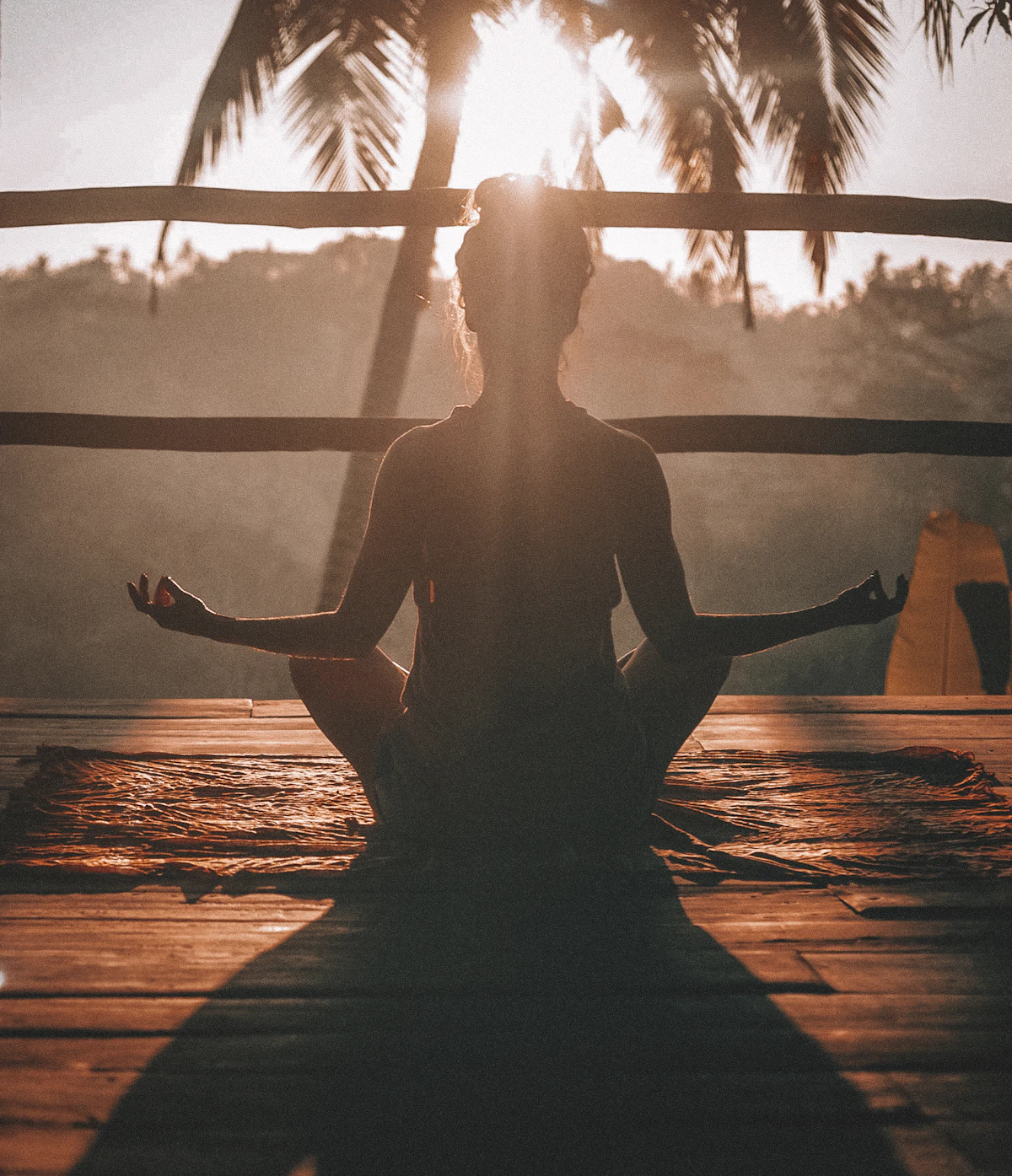
You do not need a hard workout. A short walk, a few stretches or five minutes of easy yoga raises circulation and helps you feel more awake. For most people, a moderate session gives an energy lift without causing extra fatigue later.
| Option | Time needed | Best for |
|---|---|---|
| Short walk outside | 10 minutes | Getting light and movement together |
| Stretching by a bright window | 5 minutes | Cold or rainy mornings |
| Easy yoga flow | 5–10 minutes | Stiff muscles and a calm start |
| Walk the dog or do a quick errand | 10–15 minutes | Making it part of your day |
Safety note: Never stare directly at the sun. Simply being outdoors with your eyes open is enough, and sunglasses are not needed for a normal morning walk unless the glare bothers you.
Eat a Balanced Breakfast
Food is your body’s fuel, and what you eat first affects how steady your energy feels for hours. Experts consistently recommend a breakfast with three parts: protein, fiber-rich carbohydrates and healthy fats.
A breakfast made mostly of refined carbs or sugar, such as a pastry, sweet cereal or white toast with jam, can give quick energy that fades fast. The result is often a mid-morning crash and a craving for more sugar.

Easy energy-friendly breakfast ideas
- Oats with nuts and berries, made as overnight oats if mornings are rushed.
- Greek yogurt or curd with fruit and seeds.
- Eggs with whole-grain toast and some vegetables.
- Moong dal chilla, besan chilla or paneer paratha for a protein-rich Indian-style option.
- A smoothie with fruit, yogurt or protein, and a spoon of nut butter.
Not hungry early? That is common. Start small with a handful of nuts, a banana with peanut butter or a yogurt, then eat a fuller meal when your appetite wakes up. Consistency matters more than perfection.
Putting It All Together: A Simple 20-Minute Routine
You do not have to do everything perfectly. Try this sequence for a week and see how your afternoons feel.
| Minutes | What to do |
|---|---|
| 0–2 | Drink a full glass of water, and delay the phone if you can |
| 2–12 | Walk or stretch outside, or by a bright window |
| 12–20 | Prepare and eat a protein-and-fiber breakfast, then enjoy your coffee or tea |
If a full routine feels like too much, pick just one habit and do it for a week. Small changes you actually keep beat big plans you drop by Wednesday.
Frequently Asked Questions
What should I do first thing in the morning for more energy?
Drink a glass of water, get outside into daylight and move gently for a few minutes, then eat a breakfast that combines protein, fiber and healthy fats.
Should I drink coffee or water first?
Most experts suggest water first to rehydrate after sleep. Coffee is fine afterward, ideally with or after breakfast rather than on an empty stomach if it upsets you.
How long should I spend in morning light?
Around 10 minutes outdoors soon after waking is a practical starting point. On bright days, even a short time outside is much stronger than indoor lighting.
Is skipping breakfast bad for energy?
It varies from person to person. But a breakfast built mostly on sugar or refined carbs often causes a mid-morning crash, while a balanced meal tends to keep energy steadier.
How long before I notice a difference?
Many people feel a difference in alertness within a few days, while sleep and energy rhythms often settle after one to two weeks of consistency.
Start Tomorrow Morning
Put a glass of water by your bed tonight and plan a 10-minute walk before breakfast. That is all it takes to begin building a more energetic day.
Disclaimer: This article is for general information and is not medical advice. If you have persistent fatigue, a medical condition, or specific dietary or fluid restrictions, please talk to a doctor or registered dietitian before changing your routine.
This article is intended for informational and educational purposes only and should not be considered medical advice, diagnosis, or treatment. The information provided is not a substitute for professional healthcare guidance. Always consult a qualified healthcare provider before making changes to your diet, lifestyle, supplements, or treatment plan, especially if you have an existing medical condition or are taking medication.
Images used in this article are royalty-free, properly licensed, AI-generated, or sourced from platforms that permit their use. If you believe any content or image requires attribution or should be removed, please contact us, and we will address the matter promptly.
Medical Notice: The content on this website is not intended to diagnose, treat, cure, or prevent any disease and should not replace professional medical advice.